Most Shopify stores switch on one abandoned cart email, add a 10% code and never look at it again. It works, so nobody questions it. But it gives a discount to shoppers who would have come back anyway, and it teaches regular customers that leaving a cart gets them a better price.
This guide covers the three decisions that matter: when each email goes out, what the subject lines say, and when to offer a discount. It ends with what to change for Black Friday and Cyber Monday.
Why a sequence beats a single reminder
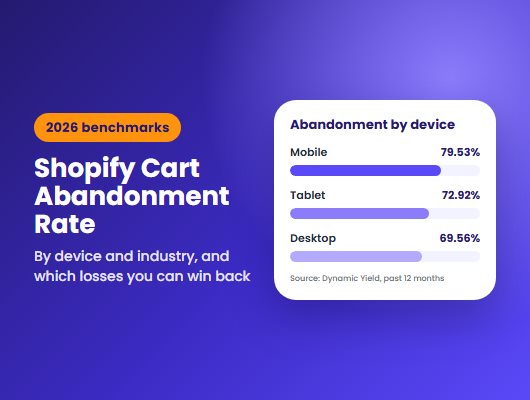
Baymard Institute puts average cart abandonment at 70.22%, and our post on Shopify cart abandonment rates in 2026 explains where your store likely sits.
Recovery emails are among the best-performing messages a store sends. Omnisend's 2026 benchmarks, from 470 million automated sends in 2025, show abandoned cart emails opening at 37.12%, converting at 1.72% and earning $3.59 per email. Campaign emails converted at 0.08%. Klaviyo's benchmark puts average abandoned cart revenue at $6.77 per recipient, and $13.70 for the top 10% of senders.
That gap comes mostly from timing, message and offer. One email catches shoppers who were interrupted. A short sequence also reaches the ones comparing prices or unsure about shipping.
Timing: three emails, spaced by intent
Shopify only counts a checkout as abandoned once the shopper has entered an email address, and its built-in automation sends one recovery email after a delay you choose. For a sequence you need a recovery app or your email platform.

A schedule that suits most stores:
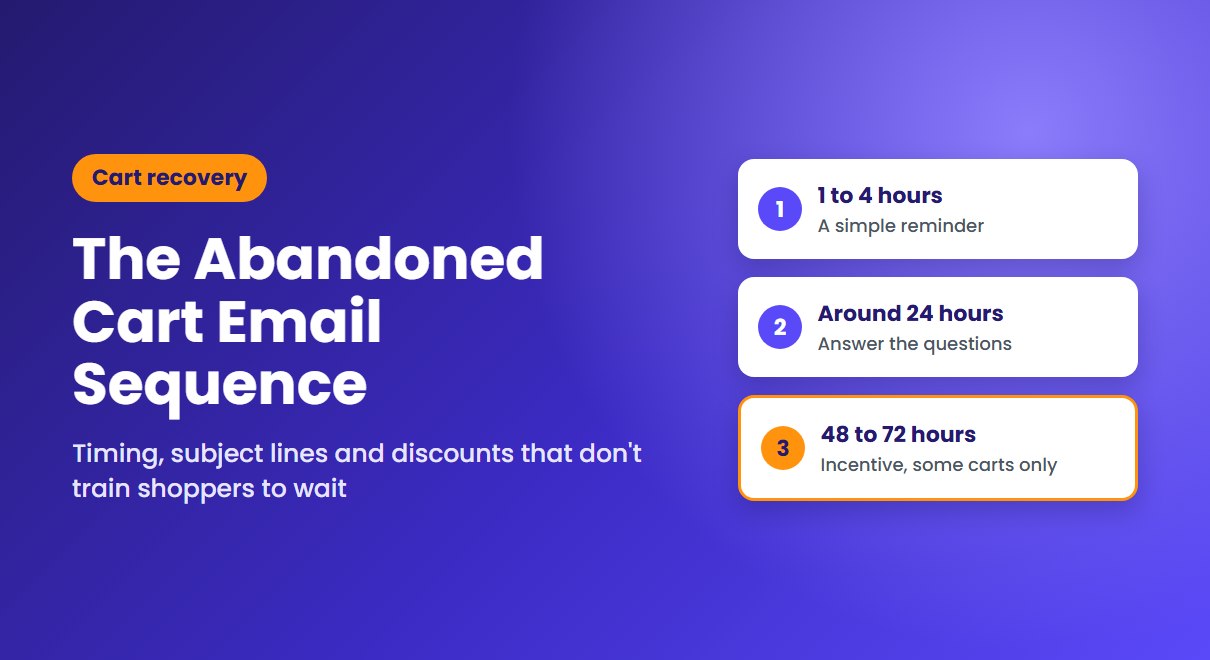
- Email 1, one to four hours after abandonment. The cart is still fresh. Omnisend's automation guide suggests about an hour; Klaviyo's example uses two to four. Test both.
- Email 2, around 24 hours. Answer the questions that stopped the purchase: delivery times, returns, sizing, reviews.
- Email 3, at 48 to 72 hours. The last nudge, and the only place a discount might belong.
Stop the sequence the moment the shopper buys. If you add SMS or WhatsApp, run it inside the same sequence, not a second app. Klaviyo reports a 10.3% click rate for abandoned cart texts against 6% for email, but two apps chasing one cart feels like being followed. Our WhatsApp pricing guide covers that channel's cost.
Subject lines that get opened
The subject line has one job: remind the shopper what they nearly bought. Klaviyo recommends using the shopper's first name and the cart items, and plain lines usually win.
- Email 1: "Still thinking about the [product name]?"
- Email 2: "Questions about [product name]? Here's what buyers said"
- Email 3: "Last reminder: your cart expires soon" (only if it really does)
Skip fake urgency, misleading "Re:" prefixes and all-caps. They lift opens once, then lift spam complaints. Gmail's sender guidelines ask bulk senders to stay below a 0.30% spam rate, ideally under 0.10%. Our post on why emails go to spam covers authentication.
The discount ladder: incentives without the habit
Klaviyo says discounts in this flow are "not necessary" and "can also work against you by training shoppers to wait for a discount before buying." It suggests saving them for high-value carts.
- Email 1: no discount. The cart, a photo and a clear button back to checkout.
- Email 2: remove friction instead. Extra costs are the top reason Baymard records for abandoning checkout (40%), so mention free shipping thresholds or free returns here.
- Email 3: an incentive for some carts only. First-time customers, or carts above a set value. Make the code single-use with a short expiry.
Then watch one number: how often repeat customers abandon and buy only after the code arrives. If it is rising, your discount is doing the training.
What to change for BFCM week
During Black Friday and Cyber Monday your offer is already public, so the rules shift.
- Shorten the gaps. If the sale ends Monday at midnight, a 72-hour email arrives too late. Try one hour, about 12 hours, then a final reminder a few hours before close.
- Don't stack discounts. Point to the BFCM price instead of adding a second code.
- Lead with the real deadline. "Your Black Friday price ends tonight" is honest urgency.
- Watch deliverability. Keep one-click unsubscribe working and pause any segment that starts bouncing.
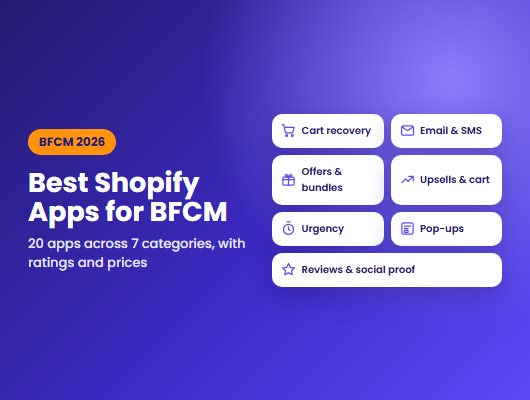
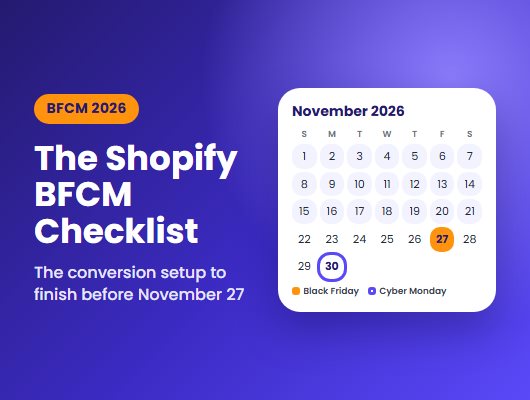
Our BFCM 2026 checklist sets testing dates before November 27, and the BFCM apps roundup compares recovery tools.
Setting this up in Shopify
Cartly, our recovery app, sends automated recovery emails and web push notifications with discount codes you control, so the ladder above runs as rules rather than by hand. Our step-by-step recovery guide walks through setup.
Whatever tool you use, test it with a real cart and check the numbers after a month. A sequence that saves discounts for the carts that need them usually beats one email with a code in it.
Frequently asked questions
How many abandoned cart emails should I send?
Three is a good default: a reminder within a few hours, a second around 24 hours that answers common questions, and a final one at 48 to 72 hours. Stop as soon as the shopper orders.
Should abandoned cart emails include a discount?
Not by default. Klaviyo warns that discounts in this flow can train shoppers to wait. Keep incentives for the last email, and only for first-time customers or higher-value carts.
When should the first abandoned cart email be sent?
Usually one to four hours after the shopper leaves. During a time-limited sale such as BFCM, send it sooner and make sure the final reminder lands before the sale ends.